
Medically reviewed by Dr. Mikel Alfredo Velázquez Pérez, Emergency & Critical Care Physician, Bassé — September 2026
What Is a TBI (Traumatic Brain Injury)?
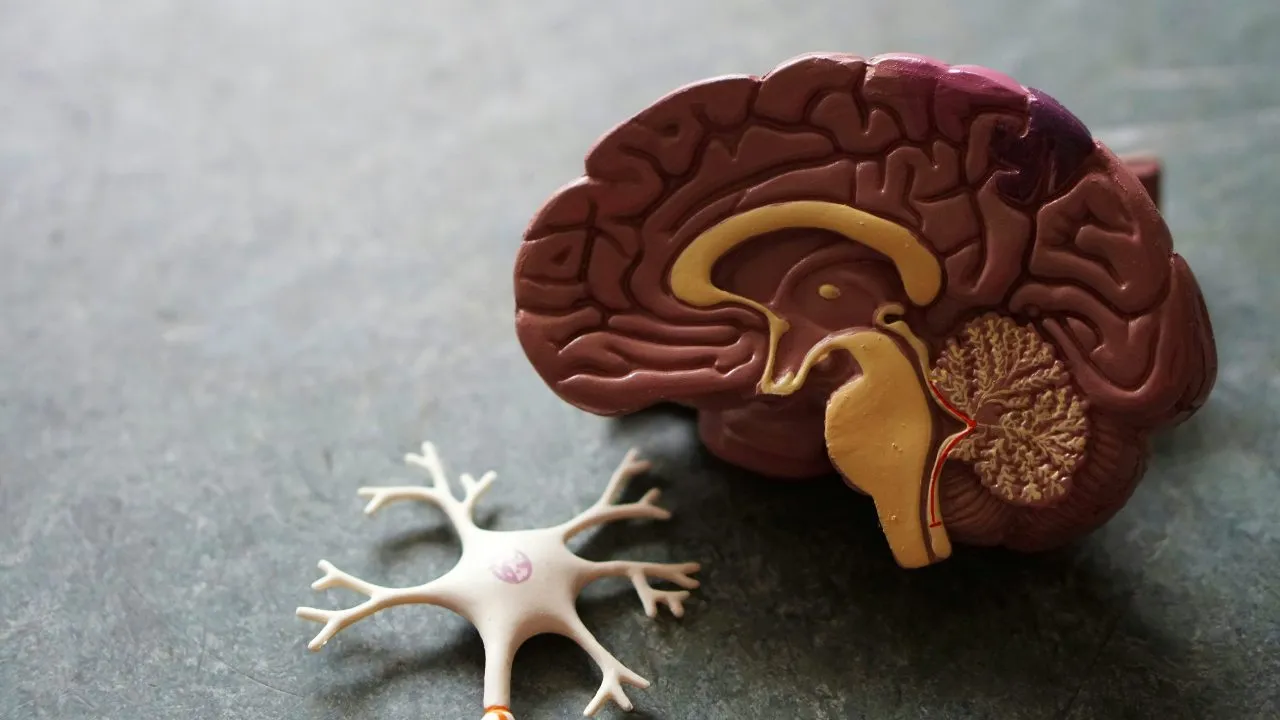
A Traumatic Brain Injury (TBI) is an injury to the brain caused by an external mechanical force, such as a fall, motor vehicle accident, sports injury, or blast exposure. Depending on the severity of the injury, people may experience persistent symptoms including memory problems, difficulty concentrating, mood changes, anxiety, depression, sleep disturbances, headaches, dizziness, and reduced cognitive performance.
These symptoms are often related to ongoing inflammation, disruption of normal communication between brain cells, and impaired neuroplasticity: the brain’s natural ability to repair, reorganize, and form new neural connections after injury.
TBI can range from mild to moderate or severe, and its effects may persist long after the initial trauma. While many individuals recover within weeks or months, others develop persistent post-concussive symptoms that can significantly impact daily life, work performance, and personal relationships. Repeated head injuries may further increase the risk of long-term neurological complications. Current treatment for chronic TBI primarily focuses on symptom management through rehabilitation, physical therapy, cognitive therapy, and medications, as there are currently no approved therapies specifically designed to reverse or regenerate the underlying brain injury. This has led researchers to investigate novel approaches aimed at supporting the brain’s natural recovery processes.
How Can Ibogaine Help?
Emerging research suggests that Ibogaine may support recovery in individuals with chronic TBI by promoting neuroplasticity, enhancing the production of naturally occurring proteins that support nerve cell growth and repair, and helping restore communication between damaged neural networks. These mechanisms may contribute to improvements in cognitive function, emotional regulation, memory, attention, processing speed, and overall quality of life. Early clinical studies, including research involving military veterans with chronic blast-related TBI, have reported meaningful improvements in both neurological and psychological symptoms following medically supervised Ibogaine treatment.
In addition to symptom improvement, recent neuroimaging studies have demonstrated changes in brain structure and activity after Ibogaine treatment that are consistent with enhanced brain recovery and adaptation. Researchers have observed improvements in measures of brain connectivity, increased cortical complexity, and structural changes associated with healthier brain function, suggesting that Ibogaine may help support the brain’s natural healing processes rather than simply masking symptoms. While the exact mechanisms continue to be studied, these findings have generated growing interest in Ibogaine as a potential neurorestorative therapy for individuals living with the long-term effects of TBI.
The Stanford Study
The research above alludes to a landmark study worth naming plainly: Magnesium–ibogaine therapy in veterans with traumatic brain injuries, published in Nature Medicine in January 2024 by researchers at Stanford Medicine, with Dr. Nolan Williams as senior author.
The study followed 30 U.S. special-operations veterans with histories of repeated blast exposure and chronic TBI symptoms, who received Ibogaine with magnesium co-administered to protect the heart. One month after treatment, participants showed an average reduction of roughly 88% in PTSD symptoms, 87% in depression symptoms, and 81% in anxiety symptoms, alongside improvements in disability and cognitive measures, with no serious cardiac events reported.
Honest context matters as much as the numbers: this was a small study without a control group, its authors describe the findings as preliminary, and it does not make Ibogaine an approved TBI therapy. What it does represent is the most credible clinical signal yet that medically supervised Ibogaine treatment may support recovery in this population, and it is a core reason clinical and veteran communities are paying attention.
Safety: What TBI Means for Screening
TBI is considered a relative, not absolute, contraindication for Ibogaine, and that distinction is critical.
At Bassé, individuals with known or suspected TBI undergo additional screening: neurological history, imaging review when available, and careful evaluation of cognitive symptoms. Treatment protocols are adjusted conservatively to avoid overstimulating already vulnerable systems. As in the Stanford protocol, cardiac safety is the center of our monitoring, with EKG screening beforehand and continuous cardiac monitoring throughout treatment, overseen 24/7 by ACLS-certified physicians and nurses.
This is why the research emphasizes clinical settings rather than unsupervised use. Safety is what makes the possibility real.
TBI, PTSD, and Veterans
In veteran populations especially, TBI and PTSD often coexist. Blast exposure and concussive injury alter brain function while trauma compounds nervous-system dysregulation, and symptoms like irritability, memory impairment, emotional volatility, and sleep disturbance may stem from either or both.
Effective care addresses them together, which is exactly what the Stanford findings suggest Ibogaine may do: participants improved across brain-injury symptoms and psychiatric symptoms at once. If you are a veteran, our Ibogaine therapy for veterans page speaks directly to that combined picture, and to the community of veterans who have come through Bassé.
A Client’s Experience
“After suffering a severe TBI at age 18, I had lost most of my childhood memories. I had tried multiple modalities over the years to try to recover my memories but was not successful. I did extensive research on which clinic to choose since Ibogaine has cardiac risks. I am so glad I chose Bassé… My Ibogaine journey showed me in a compassionate way the most significant events of my childhood. I felt very safe and well supported during my journey.”
Bassé client · see review
What to Expect During Treatment
Pre-treatment. Once you arrive at our center, we conduct a comprehensive medical assessment: electrocardiograms, vital sign checks, blood chemistry panels, and for TBI clients, a careful neurological review. Our team tailors a conservative treatment plan around your injury history. You’ll also meet with a psychologist and receive oral and IV supplementation to prepare your body.
Your Ibogaine journey. On treatment day, the effects unfold over 12 to 24 hours, often beginning with dreamlike visions before moving into deep emotional processing and mental clarity. You’ll be continuously monitored, emotionally supported, and physically nourished throughout, then enter a 24 to 48 hour recovery phase.
Integration begins. Once out of the acute experience, we support you in processing your journey through integration classes and therapeutic bodywork. On your final full day, we introduce our 30-day aftercare program, designed to support the weeks of heightened neuroplasticity that follow treatment, when cognitive and emotional gains take root.
Is Ibogaine Right for Your TBI Recovery?
In our experience, Ibogaine treatment may be worth exploring for people who:
-
Live with persistent post-concussive or chronic TBI symptoms, especially alongside PTSD, depression, or anxiety, and have exhausted conventional options.
-
Understand that Ibogaine is not an approved or guaranteed TBI therapy, and are seeking an honest, medically supervised application of emerging science.
-
Do not have cardiac issues that could pose a danger during treatment, and can provide comprehensive bloodwork and pass our on-site screening, including the additional neurological review TBI requires.
-
Are not currently taking SSRI, SNRI, or MAOI medications, or can safely taper off them under medical supervision.
Reach out to us today, and our medical team will give you a straight answer about whether your situation is appropriate.
FAQs
Can Ibogaine cure a traumatic brain injury?
No, and any clinic claiming it can should be avoided. Ibogaine does not erase injury history or guarantee symptom resolution. What emerging research suggests is that it may support the brain’s own recovery processes, neuroplasticity, repair signaling, and network communication, with meaningful symptom improvements reported in early studies of veterans with blast-related TBI.
What exactly did the Stanford study find?
In 30 special-operations veterans with chronic blast-related TBI, magnesium–Ibogaine treatment was followed one month later by average symptom reductions of roughly 88% for PTSD, 87% for depression, and 81% for anxiety, with improved disability and cognitive measures and no serious cardiac events. The study, published in Nature Medicine (January 2024), was small and uncontrolled, and its authors describe the results as preliminary.
Is Ibogaine safe if I have a brain injury?
TBI is a relative contraindication, which means treatment can be appropriate with additional screening and conservative protocols, and inappropriate without them. Our physicians review your neurological history and imaging, screen your heart thoroughly, and monitor you continuously. Whether it is safe for you specifically is exactly what our intake process determines.
I’m a veteran with TBI and PTSD. Where do I start?
Start with our veterans page or reach out directly. TBI and PTSD respond best when treated together, and that combined picture, blast exposure, trauma, and everything downstream of both, is the population the strongest Ibogaine research was conducted in and a community we know well.
An Honest Path Forward
Ibogaine is not a cure for TBI. What it may offer is an opportunity: a window in which the brain becomes more adaptable, more regulated, and more capable of reorganizing. For people who have exhausted conventional options, that opportunity, applied with real medical care, matters.
Reach out to Bassé, and one of our Ibogaine specialists will connect with you within 24 hours.